#DemocracyinAction
Services:
Research, Advocacy
Links:
Year:
2025 - 2027
Partners:
Leiden University Centre for the Arts in Society
Centre for African Development Studies
IMF-CSIC
Jagiellonian University’s Faculty of Management and Social Communication
Magdeburg University of Applied Sciences
Fondazione Santagata
Institute of Public Affairs
DE/MO

What does a night-out have to do with democracy? More than we might think. A new report by VibeLab, developed as part of the Horizon Europe project Democracy in Action, shows how grassroots nighttime spaces can be sites to build community, practise democratic values and organise for political change.

The report features the insights of 17 cultural practitioners in total, the majority of whom curate LGBTQ+-centred or LGBTQ+-inclusive nighttime spaces in Europe, and 4 offer perspectives from the United States and South Korea. Their experiences detail how nighttime spaces can be sites of democratic values and practices by facilitating civic education, mutual aid initiatives, political discussion and mobilisation, as well as a sense of belonging for communities that are underrepresented in traditional pathways of democratic participation
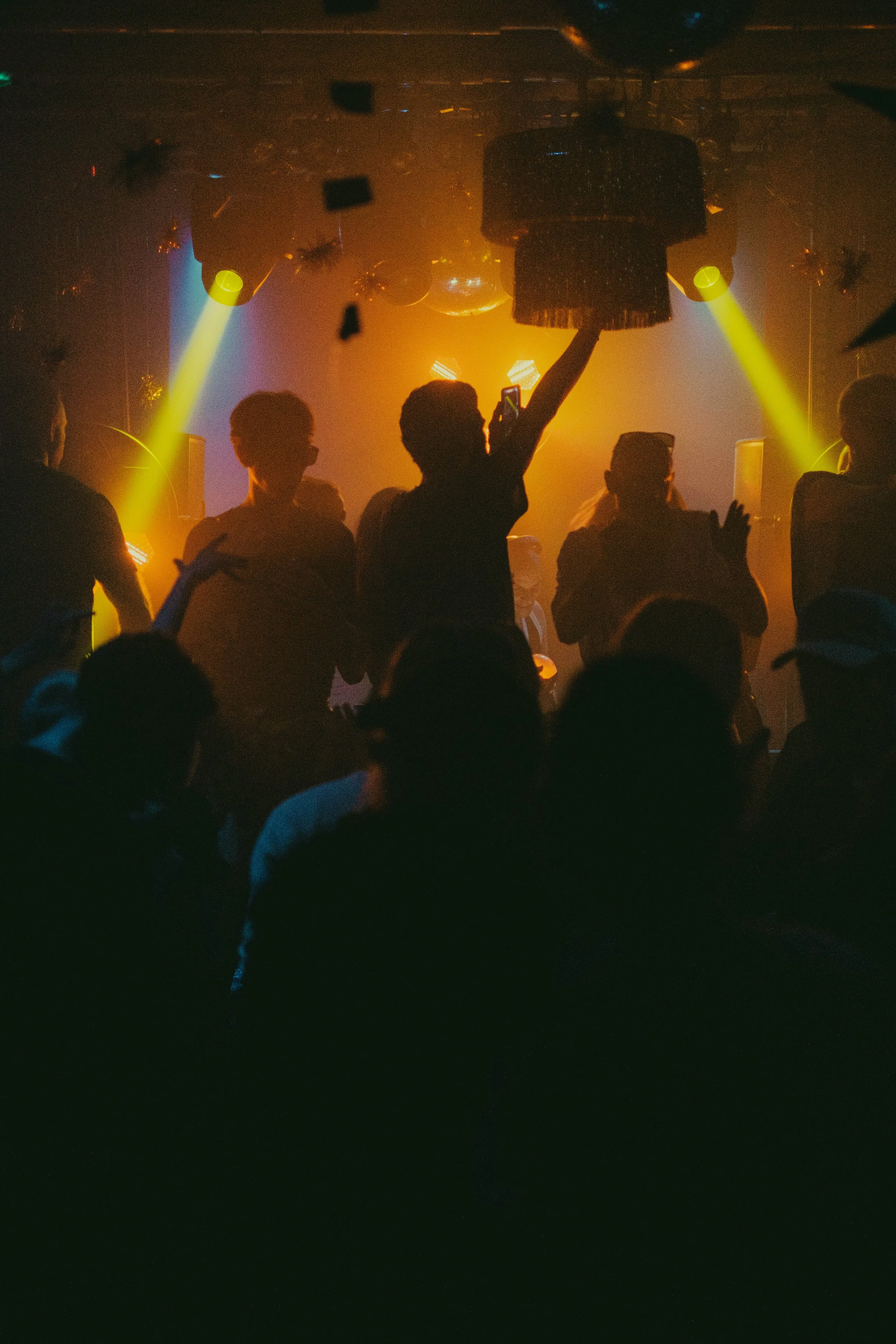
Insights from cultural practitioners detail the pressure faced when curating and stewarding nighttime spaces across different political contexts, from algorithmic suppression and online harassment to state defunding, venue raids, and hate speech against LGBTQ+ communities from political figures. However, the practitioners expressed the crucial role of embedding pleasure and enjoyment in their work, a distinguishing feature of nighttime activism. Alongside the deep community bonds and peer relationships through transnational networks, nighttime culture has remained resilient across the globe. Yet this resilience carries a personal cost: burnout is widespread among the practitioners doing this work. Protecting nighttime cultural spaces must become a policy priority for the EU, rather than depending on individual endurance.
Based on these findings, VibeLab calls on the EU to recognise grassroots nighttime spaces as civic and cultural infrastructure. Among its recommendations, the report calls for stronger protection for cultural practitioners at risk, safeguards against political interference in cultural funding, and greater recognition of mental health and burnout as issues requiring structural support.
Work being done within nighttime spaces cannot replace elections, courts or parliaments. But it can reach communities that formal democratic institutions fail to meaningfully involve.